

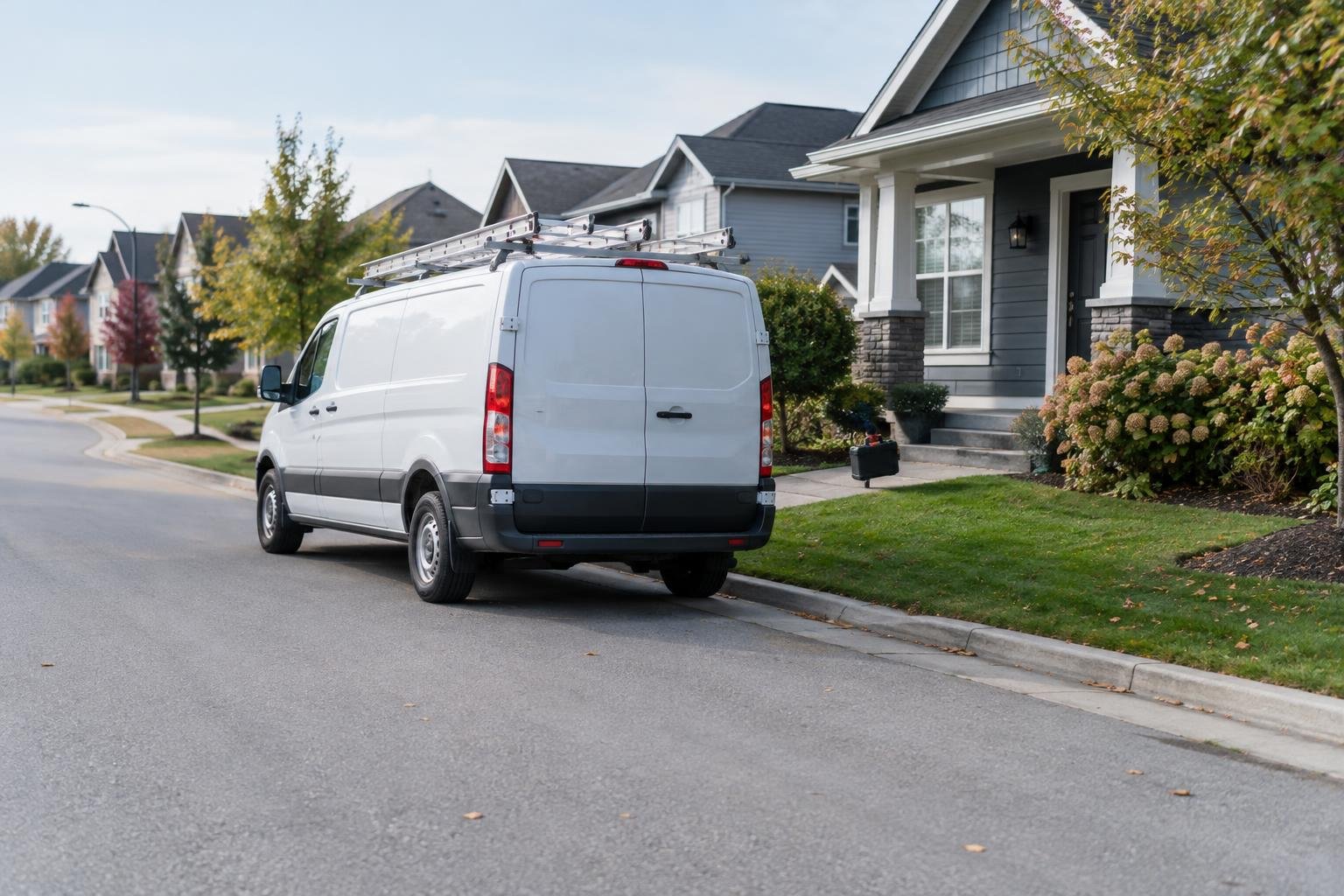
If customers come to you for repairs, cleaning, or other services, your business may need to rank in places where you don’t have a storefront. Service area business SEO helps you build local visibility through an accurate business profile, useful website pages, and clear information about where you work. It doesn’t require publishing a private address or creating dozens of near-identical city pages.
The goal is to make it easy for nearby customers to understand what you do, where you work, and how to contact you. Start with the basics below, then improve the parts of your online presence that answer real customer questions.
What service area business SEO means
A service-area business travels to customers rather than serving them at a public-facing location. Examples include plumbers, mobile pet groomers, house cleaners, and some home repair companies. Local search visibility for these businesses depends on more than the address shown on a map. Search engines and customers also need clear, consistent signals about the business’s services and coverage.
Your service area is not a collection of separate storefronts. Setting a town as a service area in a business profile does not guarantee that you will appear in search results there. Your visibility can vary by searcher location, competition, relevance, and the strength and accuracy of your online information.
That makes a focused approach more useful than trying to claim every nearby town. First, make your business easy to understand and contact in its core area. Then build supporting content for other locations where you genuinely serve customers. You can always get help from a digital marketing agency to do this for you, but we aim to make you efficient enough to handle at least the basics of marketing yourself.
Set up your business profile accurately
A business profile on a major map and search platform can help customers find your phone number, services, hours, and website. Keep the details accurate and consistent with how your business actually operates.
- Use your real business name. Don’t add extra city names or service keywords unless they are genuinely part of your established business name.
- Choose the closest-fitting primary category. Add additional categories only when they describe services you really provide.
- Set service areas you can serve. List towns or regions that reflect your actual operating area. Avoid selecting distant places simply to appear there.
- Handle your address based on how customers are served. If you work from a home address and don’t receive customers there, check the platform’s current guidance for hiding the address. Don’t use a rented mailbox or an address where the business is not staffed and eligible to operate.
- Keep contact details current. Use a phone number someone answers during stated business hours and link to the most relevant page on your website.
Review the profile whenever your hours, service area, phone number, or offerings change. A customer who calls a disconnected number or arrives at a private residence can lose trust before a conversation begins.
Build website pages around real service needs
Your website should confirm the information in your profile and help visitors decide whether to contact you. A strong main service page usually explains what you do, who you serve, what happens after an inquiry, and how to reach you.
For each core service, include practical details customers need to make a decision. A roofing company might explain the types of inspections it offers, what information helps prepare an estimate, and how it handles urgent leaks. A cleaning business might describe the difference between a recurring visit and a move-out clean. Use examples that reflect your actual process, not claims designed only to attract search traffic.
If you serve several distinct communities, a location page can help when it offers genuinely useful local information. It might explain travel availability, relevant service options, or how scheduling works in that area. Don’t create a separate page for every neighborhood by swapping place names in otherwise identical copy. Thin or repetitive pages give visitors little reason to choose you and can make a site harder to maintain.
Make each page easy to act on
Put your primary contact option where people can find it on a phone. Depending on the business, that might be a tap-to-call phone number, a short quote request form, or a booking link. Explain what happens after someone submits a request, such as when you usually respond or which details to include.
Useful form fields are the ones that help you respond. A service type, ZIP code, preferred contact method, and a short description may be enough to start. Avoid asking for sensitive or unnecessary details before you know they’re needed.
Show proof that supports your local claims
Customers want reassurance that you do the work you advertise and serve their area. Add proof that is accurate, specific, and appropriate to share.
- Describe completed projects without publishing a customer’s private address.
- Use original photos of your work, equipment, or finished results when you have permission.
- Invite customers to leave honest reviews, and respond professionally to feedback.
- Explain licenses, insurance, warranties, or qualifications only when they apply to your business.
- Keep your name, phone number, and website consistent across your profile and important online listings.
Don’t write fake reviews, offer rewards in exchange for positive ratings, or imply that a project happened in a town where you haven’t worked. Trust is easier to build when your website and profile describe the same real business.
Make the next step simple for local customers
Visibility matters only if interested people can reach you. Check your site on a phone, since many local searches happen when someone is trying to solve an immediate problem. Make sure the text is readable, the phone number works as a link, forms are usable, and key pages load without unnecessary obstacles.
Decide who will monitor calls, form submissions, and messages. If you can’t answer every call, use a clear voicemail greeting that says what information to leave and when you expect to respond. For online forms, send a confirmation that sets a realistic expectation. A simple response process can prevent a good inquiry from going cold.
If you’re developing a broader plan for attracting and handling prospects, this guide to generating leads online for your business can help connect your website and follow-up process.
Measure progress without chasing every ranking
Local visibility changes depending on the search and the person’s location, so one search from your office is not a complete measure of performance. Look at several practical signals over time:
- Calls and website visits from your business profile
- Relevant visits to service and location pages
- Qualified calls, form submissions, and booked jobs
- Search terms that bring visitors to important pages
- Questions customers ask before they agree to a visit or estimate
Record a baseline before making changes. If calls increase but few turn into suitable jobs, the problem may be unclear service details, an overly broad service area, or a slow response rather than a lack of visibility. Ask new customers how they found you, too. Their answers can add useful context to website and profile data.
A manageable starting plan
You don’t need to overhaul everything at once. Work through a short sequence:
- Confirm that your business profile reflects your real name, services, contact details, and operating area.
- Review the main service page and make sure it answers basic customer questions.
- Test your phone number and inquiry form on a mobile device.
- Improve one location page only if you can make it genuinely useful and distinct.
- Track inquiries and booked work so you can see whether the changes bring the right customers.
Service area business SEO is strongest when your profile, website, and customer experience agree. Keep your coverage honest, explain your services clearly, and make contacting you straightforward. Those fundamentals give local customers a more reliable reason to choose your business.